
phuket
Phuket Night Markets Guide
12 July 2026 · 8 min · The Phuket Diva Team
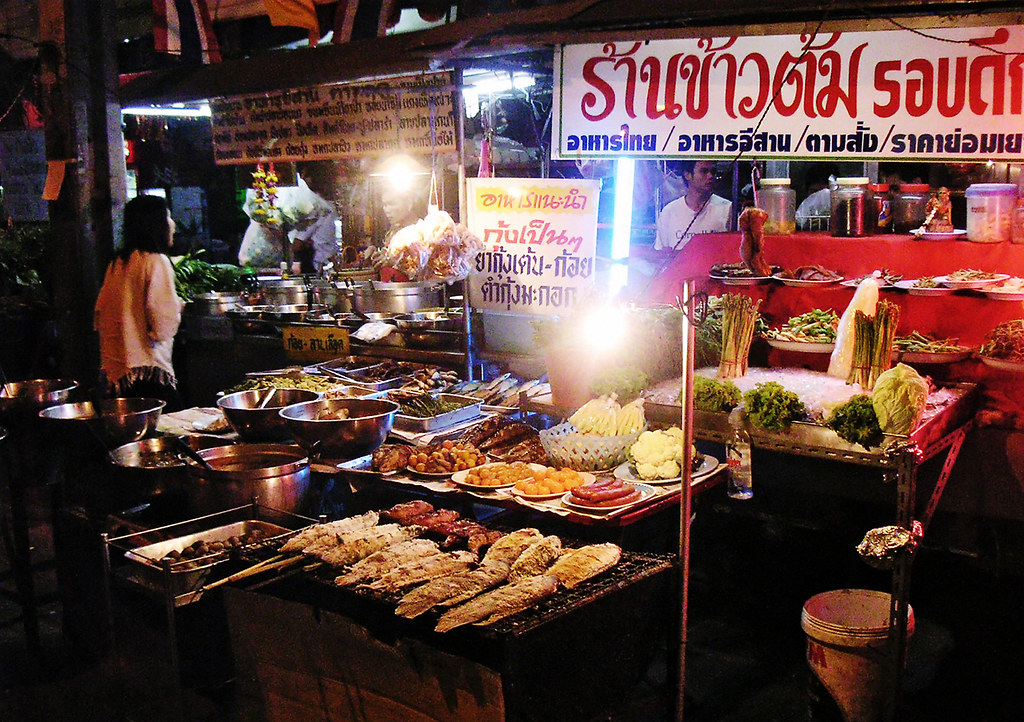
Phuket night markets are one of the easiest, cheapest and most genuinely enjoyable ways to spend an evening on the island, and they are the first thing we recommend to anyone who wants a taste of local life without a resort mark-up. Long before the bars fill up, the markets are already glowing — rows of food carts, racks of cheap clothes, stalls of handmade odds and ends, and the smell of grilled satay drifting down the lane. You can eat superbly for the price of a single cocktail on the beach strip, and you will see a side of Phuket that most package tourists miss entirely.
This guide covers what the markets are, where to find them, what to eat, roughly what things cost in baht, and how to fit a market into a bigger night out.
Why the markets are worth your evening
A night market in Thailand is not really a shopping trip — it is a place to graze, wander and people-watch. Whole families come to eat dinner one skewer at a time; teenagers browse phone cases; grandmothers sell fruit they picked that morning. The atmosphere is warm and completely unhurried.
For a visitor, that adds up to three things:
- Cheap, brilliant food. Street plates run from a few coins to around 100 THB, and much of it is cooked to order in front of you.
- A real local crowd. These are not staged tourist attractions; locals genuinely shop and eat here, which is exactly what makes them worth seeing.
- No pressure. Nobody drags you into a bar or hands you a bill you did not order. You walk, you look, you buy only what you fancy.
If your idea of a good evening is somewhere relaxed, colourful and affordable, the markets deliver every single time.
The main types of Phuket night markets
Rather than list venues that change from season to season, it helps to understand the types of market you will run into, because each has a slightly different feel.
Weekend “walking street” markets
The best known is the Phuket Town Sunday Walking Street, locally called Lard Yai, where the old Sino-Portuguese quarter closes to traffic and fills with food, crafts and live music. These weekend markets are the most atmospheric — think heritage shophouses lit up behind the stalls — and they are as much an evening out as a shopping errand. If the old town appeals, our Phuket Town nightlife guide covers the whole quarter in detail.
Big weekend bazaars
A step up in scale, these sprawling markets combine hundreds of clothing and homeware stalls with enormous food courts, sometimes with live bands and seating areas. They lean more towards shopping than sightseeing, and they are where locals come for cheap fashion, phone accessories and household bits. Go for the food court alone and you will still leave happy.
Everyday tourist-area markets
Closer to the beaches, several smaller markets run most nights and cater to holidaymakers staying nearby. They are handy and fun, though prices tend to be a touch higher and the goods more souvenir-focused. Treat these as a convenient snack-and-stroll rather than the deepest local experience.
Wherever you go, the rhythm is the same: eat first, shop second, and let the evening unfold slowly.
What to eat, and roughly what it costs
The food is the real reason to come. Thai street cooking is fast, fresh and generous, and a night market is the best possible place to try a lot of it for very little.
A rough guide to prices, in Thai baht:
- Grilled skewers (chicken, pork, squid): around 10 to 30 THB each.
- Pad thai or a fried-rice plate cooked to order: about 50 to 80 THB.
- Mango sticky rice and other sweets: roughly 40 to 80 THB.
- Fresh fruit shakes and coconut water: around 40 to 70 THB.
- A whole grilled fish or seafood plate: typically 120 to 250 THB, depending on size.
A hungry traveller can eat a full, varied dinner for 150 to 300 THB. Bring an appetite and share plates so you can try more. For a fuller picture of how far your money goes across a whole evening on the island, our nightlife budget breakdown puts these numbers in context.
A few simple food tips:
- Follow the queues. A stall with a line of locals is a safe bet, both for taste and for freshness.
- Watch it cooked. Food prepared to order in front of you is the way to go.
- Carry small notes. Vendors rarely have change for large bills, and almost none take cards.
Shopping without overpaying
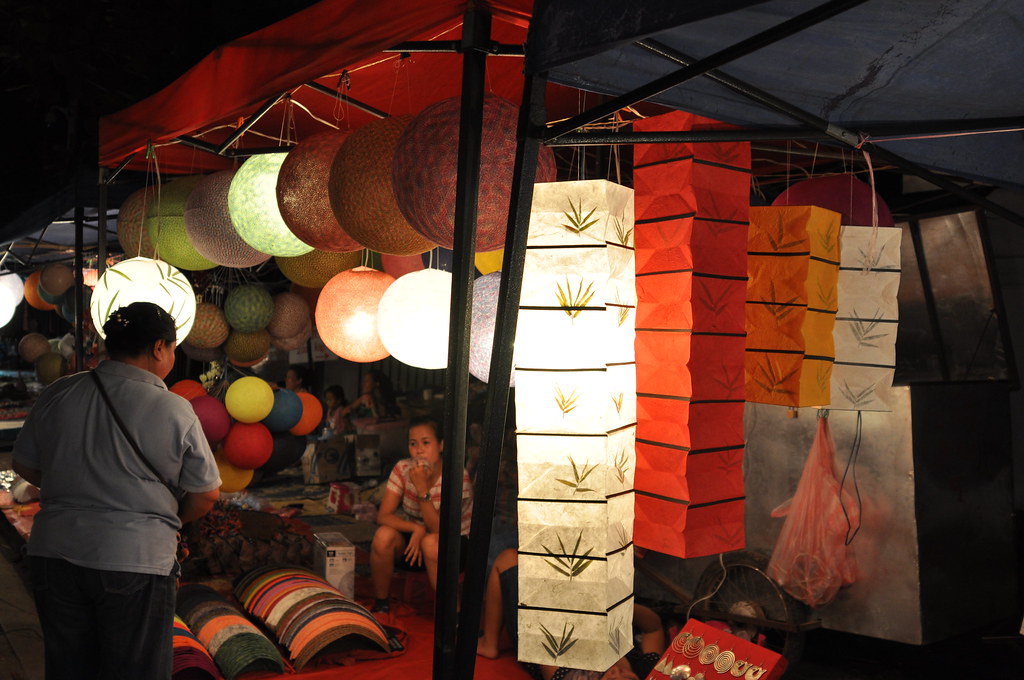
Beyond food, the markets sell clothes, sandals, sunglasses, phone cases, soaps, art prints, handmade jewellery and every kind of souvenir. Quality varies, so treat it as fun browsing rather than serious retail.
Prices for goods are not fixed, so a little gentle bargaining is expected. The etiquette is easy: ask the price with a smile, suggest a bit less, and meet in the middle. Keep it light — the gap is usually a few baht, and staying good-humoured matters more than winning. Food, by contrast, is sold at fair set prices, so there is no haggling over dinner.
Practical tips for a smooth visit
A handful of small habits make market nights easier:
- Go a little before dark. You beat the heat, browse in comfort, and catch the lanterns coming on.
- Dress light and wear comfortable shoes. Markets are for walking, and the evenings stay warm.
- Keep valuables secure. The markets are safe and friendly, but any crowd rewards a zipped bag and a bit of everyday care. Our Patong safety and scams guide has the full rundown.
- Sort your ride home early. Agree a taxi or Grab fare before you set off, and arrange the return trip in advance, as transport thins out late.
- Pace yourself. Eat slowly, sit when you can, and treat the market as the start of the night rather than the whole of it.
What the markets are like through the evening
Part of the charm is how a market changes as the night goes on. Turn up around five o’clock and it is still gentle — vendors setting up, the first grills lighting, the light going golden between the stalls. This is the calm window for browsing and photos, and the best time if crowds are not your thing.
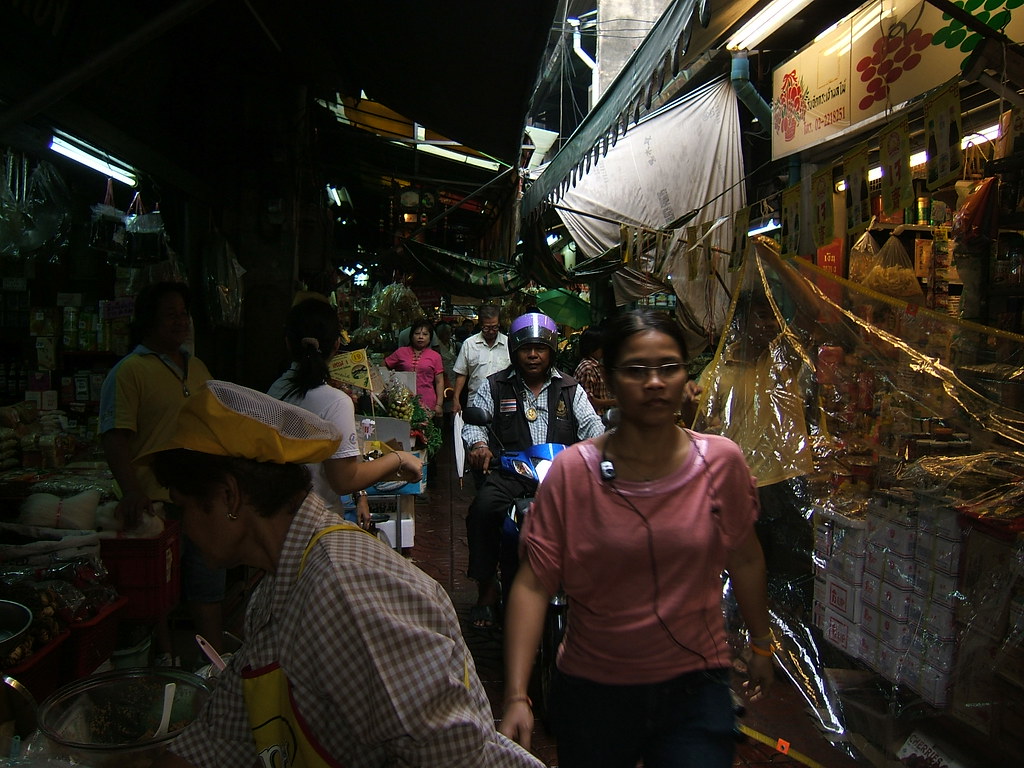
By seven or eight the market hits its stride. The lanes fill with families and friends, the food carts are at full tilt, and any live music is in full swing. This is the market at its most fun and most photogenic, though also its busiest, so keep your bag zipped.
Later, from around nine, things wind down. Vendors start packing, and a few will drop prices on fresh food and perishables to clear stock — a quiet bonus if you are happy to eat late. It is also the natural moment to move on to the next part of your evening.
Weather shapes the night too. Phuket’s rainy months bring short, heavy downpours, and while most markets carry on under cover, a big storm can thin the crowds. If the sky looks threatening, go early.
Markets versus the beach strip
It is worth understanding how the markets differ from the tourist-strip nightlife, because they serve completely different moods. The strip is loud, polished and built for holidaymakers; the markets are cheap, local and low-key. Neither is better — they simply suit different halves of an evening.
- Value. A market dinner for two can cost less than a couple of beers on a beach-front terrace.
- Atmosphere. Markets are relaxed and family-friendly; the strip is high-energy and adult.
- Authenticity. Markets show you how Phuket actually eats and shops, day in and day out.
The happiest evenings often use both: graze the market first, then drift towards the brighter lights once you have eaten.
Making it part of a bigger night
For many visitors, a night market is the perfect opening act — a relaxed, delicious, low-cost couple of hours before the louder side of Phuket begins. From most markets you are a short ride from the bars, clubs and beach spots that carry the evening on, and our full Phuket nightlife guide maps out where to go next.
It is also a genuinely lovely thing to do with company. Wandering a market, sharing plates and picking through the stalls is easy, warm and unhurried — exactly the kind of evening that feels better with someone alongside you. If you would like a charming companion to share it with, you can meet our Phuket escorts and let one of them show you their favourite stalls and the best places to eat.
However you do it, start here. Come hungry, bring small notes, arrive before dark, and let the markets ease you into the rest of a Phuket night.
Frequently asked questions
- What time do Phuket night markets open?
- Most run from late afternoon into the evening, roughly 4pm to 10 or 11pm. Food stalls are busiest just after sunset, around 6 to 8pm. Arrive a little early if you want to browse in comfort before the crowds and the heat of the day both fade.
- Which nights are the big Phuket markets on?
- The famous Phuket Town Walking Street (Lard Yai) runs on Sunday evenings only. Other large weekend markets operate Friday through Sunday, while several everyday markets near Patong and other tourist areas open most nights. Check the current day before you set out, as schedules shift with the season.
- How much money should I bring to a night market?
- Bring cash in small notes, as most stalls do not take cards. A budget of 300 to 600 THB per person covers a generous street-food dinner, a drink and a little shopping. Big-ticket souvenirs aside, most individual plates and snacks fall between 20 and 100 THB.
- Are Phuket night markets good for families and solo travellers alike?
- Yes to both. The markets are relaxed, well-lit and family-friendly, with plenty for children to eat and see. They are equally easy to enjoy solo, and they make a low-pressure, sociable first stop on any evening out on the island.
- Can I haggle at Phuket night markets?
- Politely, yes, on clothing, souvenirs and crafts, though not on food, which is already fixed at fair local prices. Ask the price with a smile, offer a little less and settle somewhere in the middle. Keep it good-natured; the savings are small and the goodwill is worth more.