
guides
Money in Phuket: ATMs & Cash
13 July 2026 · 8 min · The Phuket Diva Team
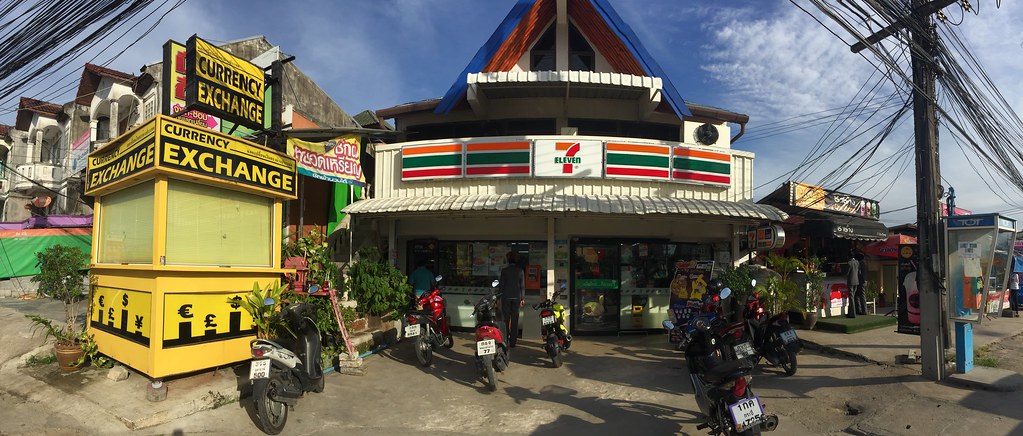
Sorting out your money in Phuket before you arrive is one of the simplest ways to keep a holiday relaxed, because the island runs on a cheerful mix of tap-to-pay convenience and old-fashioned cash. Understanding when to reach for a card and when you need baht in your pocket saves you from awkward moments at a night market, a beach cafe, or the back of a songthaew. This guide walks you through ATMs, exchange rates, fees, and the everyday habits that keep your baht going further.
Cash or card: how money in Phuket really works
Thailand is modernising fast, and in Phuket you will find contactless terminals in shopping malls, chain restaurants, hotels, and most mid-range and upscale venues. QR-code payments are everywhere for locals, though those systems are tied to Thai bank apps and are not always practical for short-stay visitors.
The moment you step off the polished tourist track, cash takes over. Street food stalls, local markets, tuk-tuks and songthaews, small family bars, massage shops, and roadside vendors overwhelmingly deal in Thai baht only. Even where cards are accepted, smaller businesses sometimes add a surcharge of a few percent to cover their processing costs, so paying cash can quietly save you money.
The sensible approach is a blend. Keep a card for hotels, big dinners, and larger purchases, and always carry enough baht for the small, spontaneous spending that makes up so much of a Phuket day.
The Thai baht at a glance
Prices are shown in Thai baht (THB), often written with the ฿ symbol. Notes come in 20, 50, 100, 500, and 1,000 baht, while coins run from 1 to 10 baht. A few practical habits help:
- Break big notes early. A 1,000 baht note can be hard to change at a small stall, so use large notes at supermarkets or restaurants and keep smaller ones for taxis and street food.
- Keep coins handy. They are useful for convenience stores, water, and rounding up small bills.
- Check notes are clean and untorn. Badly damaged notes are occasionally refused, and it saves hassle to hand them back at a bank.
- Carry small change for tips. Rounding up politely is appreciated; our tipping in thailand guide explains the customs in more detail.
Using ATMs in Phuket
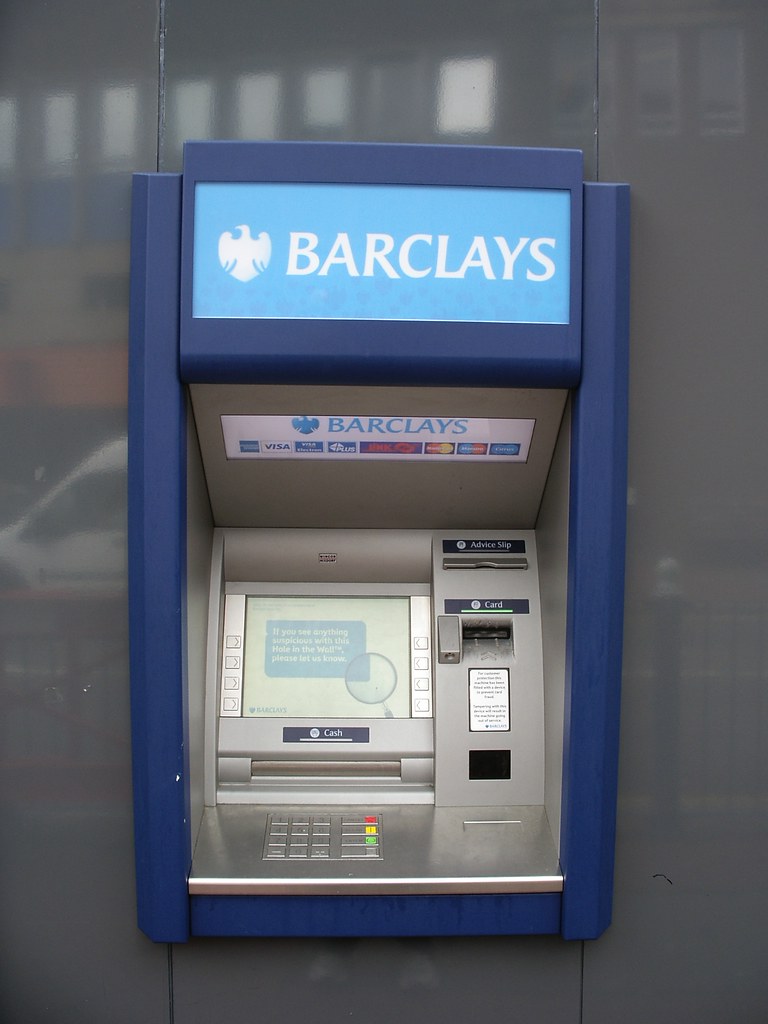
ATMs are plentiful across Patong, Kata, Karon, Phuket Town, the airport, and near most beaches and malls. They are the most reliable way to get baht at a fair rate, and they are open around the clock in busy areas.
There is one catch worth knowing about. Thai banks charge a fixed surcharge on most foreign-card withdrawals, commonly around 220 baht per transaction. This is on top of anything your home bank adds. The machine will warn you and ask you to confirm before dispensing, so you always get the choice to cancel.
Because that fee is a flat amount rather than a percentage, the smart move is to withdraw larger sums less frequently rather than making lots of small pulls. Many Thai ATMs cap a single withdrawal at 20,000 to 25,000 baht, though your home bank’s daily limit may be lower.
ATM tips that save money and stress
- Always choose to be charged in Thai baht. If the screen offers to convert the amount into your home currency, decline it. This dynamic currency conversion locks in a poor exchange rate.
- Use machines in daylight and busy spots. ATMs attached to bank branches, inside malls, or at convenience stores are safer and less likely to have been tampered with.
- Tell your bank you are travelling. A quick heads-up prevents your card being frozen for suspicious foreign activity on your first withdrawal.
- Shield the keypad as you enter your PIN, and take your card and cash promptly.
- Consider a fee-free travel card. Some online banks refund or avoid foreign withdrawal fees, which adds up over a longer stay.
If a machine ever retains your card or behaves oddly, do not walk away in a panic. Note the bank name and location, contact your card provider straight away, and use a different ATM.
Exchanging cash and getting the best rate
Bringing some foreign cash to exchange on arrival is a good backup, especially for your first taxi and dinner before you find an ATM. Dedicated currency exchange booths in Phuket are competitive and usually offer noticeably better rates than airport counters or hotel front desks.
Look for the well-known branded exchange kiosks you will spot in Patong, the malls, and tourist hubs; they post their rates clearly on boards outside. Compare a couple before committing, bring clean and undamaged notes, and always count your baht at the window before you leave. Rates vary a little by the day and by how much you change, so for larger amounts it is worth a short walk to compare.
Airport exchange desks are convenient but typically the weakest rate, so change only a small amount there if you need immediate cash, then top up in town.
A quick word on travellers cheques: they are largely a thing of the past in Phuket and rarely worth the effort. A modern debit or travel card paired with a small buffer of cash is far more practical. Likewise, do not rely on being able to spend foreign currency directly; while a handful of tourist-facing businesses may accept dollars or euros, they do so at an unfavourable rate, so converting to baht is almost always better value.
What things typically cost
Getting a feel for everyday prices helps you judge how much to withdraw. A bottle of water or a coffee runs a handful of baht, a plate of tasty street food is inexpensive, and a casual sit-down meal for two with drinks sits comfortably in the mid-range. A short local taxi hop, a beer at a relaxed bar, and entry to attractions all fall into small, cash-friendly amounts. Once you have spent a day or two on the island, you will quickly calibrate a daily figure that suits your pace, whether you are keeping things simple or treating yourself.
Budgeting your baht sensibly
How much money in Phuket you actually need depends entirely on your style of trip. Street food, local transport, and simple guesthouses can keep a day very affordable, while beach clubs, fine dining, and premium experiences move you into a higher bracket quickly.
A few planning habits keep your budget honest:
- Set a daily cash allowance and carry roughly that much, leaving the rest in your hotel safe.
- Separate your money. Keep a small spending wallet and stash backup cash and a spare card elsewhere.
- Track the big-ticket items like a night out, which can vary widely; our phuket nightlife cost budget breaks down typical evening spending.
- Factor in transport, since fares after dark differ from daytime rates. See our notes on getting around phuket at night for realistic costs.
If your plans include arranging refined companionship for a dinner date or an evening out, agencies such as Phuket escorts are typically arranged in advance, so you can budget calmly rather than scrambling for cash on the night. Sorting the money side early lets you focus on enjoying the experience.
Staying safe with your money
Phuket is a welcoming, generally safe island, and a little sensible care goes a long way. Avoid flashing large amounts of cash, keep your wallet in a front pocket or secure bag in crowds, and be wary of anyone offering to “help” at an ATM. Use your hotel safe for passports, spare cards, and the bulk of your baht.
Keep a photo or note of your card provider’s emergency number so you can freeze a lost card instantly. Splitting your money and cards across two locations means a single loss never ruins the trip.
The bottom line
Managing money in Phuket comes down to one simple principle: carry enough cash for the everyday, keep a card for the larger and safer transactions, and be smart about fees and exchange rates. Withdraw baht in sensible chunks, always pay in Thai baht rather than your home currency, and compare exchange booths before you hand over foreign notes. Get those basics right and the financial side of your trip fades quietly into the background, leaving you free to enjoy the beaches, the food, and the warm island nights.
Frequently asked questions
- Is Phuket a cash or card destination?
- It is both, but cash still rules day to day. Hotels, malls, and larger restaurants happily take cards, while street food, taxis, markets, and small bars usually want Thai baht in hand. Carry a mix and you will never be caught out.
- How much cash should I carry each day?
- For most visitors, a few thousand baht per day covers food, drinks, and transport comfortably. Keep the bulk in your hotel safe and carry only what you expect to spend that day, topping up from an ATM as needed.
- Why do ATMs in Phuket charge a fee?
- Thai banks add a fixed surcharge, typically around 220 baht, to most foreign-card withdrawals. This is separate from any fee your home bank charges. Withdrawing larger amounts less often spreads that flat fee across more cash.
- Should I choose baht or my home currency at the ATM?
- Always choose to be charged in Thai baht. If the machine offers to convert to your home currency, decline it. That conversion, known as dynamic currency conversion, almost always uses a poor exchange rate.
- Where should I exchange cash in Phuket?
- Dedicated currency exchange booths usually beat airport counters and hotel desks on rate. Look for well-known orange or green branded kiosks in Patong and the malls, compare the posted rate, and always count your baht before leaving the window.