
phuket
Big Buddha Phuket Guide
27 July 2026 · 8 min · The Phuket Diva Team
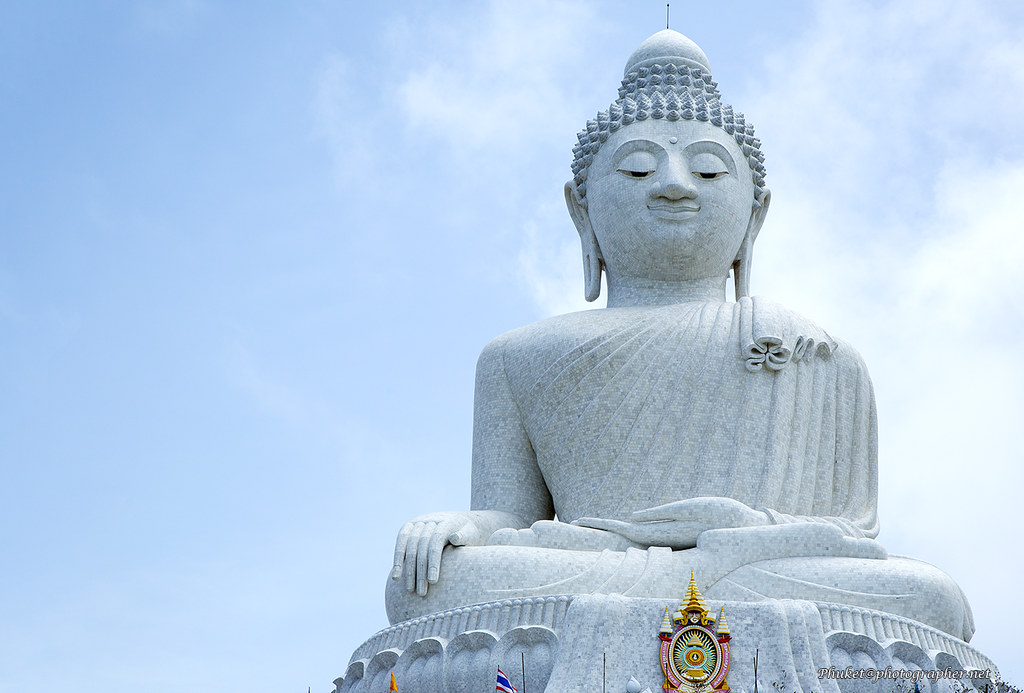
Big Buddha Phuket is the island’s most recognisable landmark, a 45-metre white marble statue seated serenely on the Nakkerd Hills between Chalong, Kata, and Karon. Visible from much of southern Phuket and even from passing planes, it has become a must-see stop for first-time visitors and returning travellers alike. Beyond the photogenic scale of the statue, the hilltop offers some of the finest panoramic views on the island and a genuinely peaceful atmosphere that rewards anyone who lingers a little longer than the tour buses allow.
This guide covers everything you need for a smooth, respectful visit: how to get there, what to wear, when to go, and how to make the most of the surrounding area. Whether you are exploring solo, travelling as a couple, or enjoying Phuket with refined company, a morning or late-afternoon trip up the hill is one of the easiest ways to understand why the island holds such a special place in Thailand.
Why Big Buddha Phuket is worth the climb
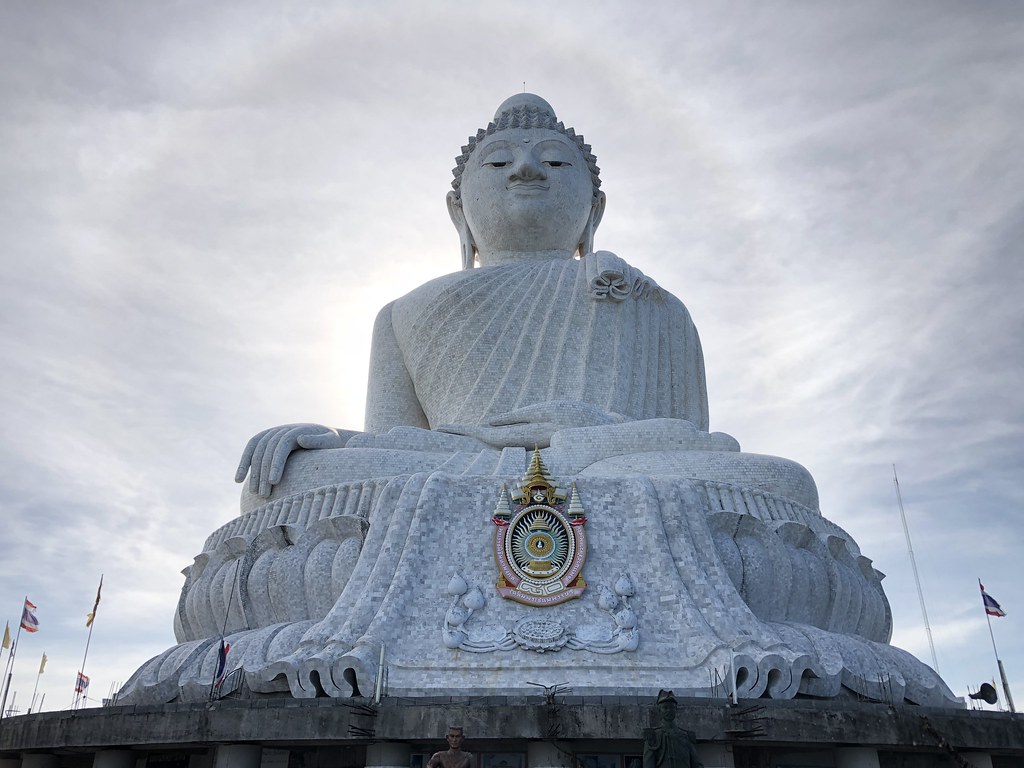
Construction of Big Buddha Phuket began in 2004, funded almost entirely through public donations, and the statue remains an active, evolving project. Officially named Ming Mongkol Buddha, it sits cross-legged in the Maravija posture, clad in Burmese white jade marble that gleams against the sky. A smaller golden Buddha stands nearby, and the whole complex functions as a living temple rather than a mere tourist attraction.
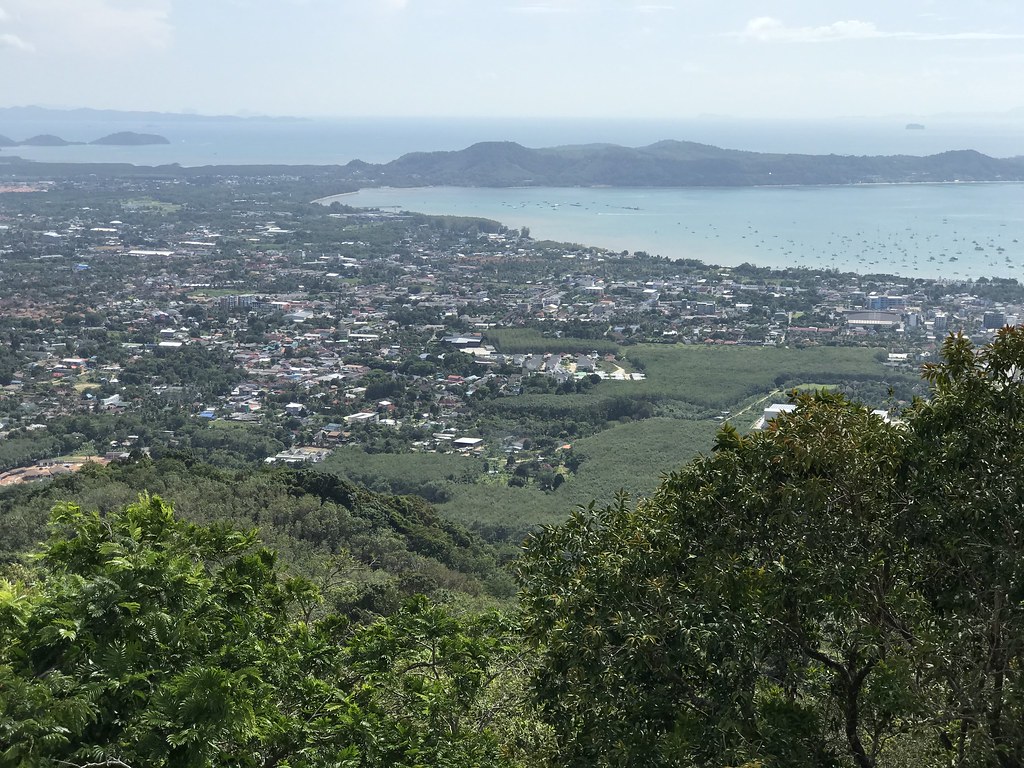
What makes the visit memorable is not only the statue itself but the setting. At roughly 400 metres above sea level, the summit delivers uninterrupted views in almost every direction. To the east you look over Chalong Bay and the yacht-dotted anchorage; to the west, on a clear day, you can trace the coastline toward Kata and Karon. It is an orientation point in the most literal sense, helping you picture how the beaches, headlands, and hills fit together.
Getting there and practical tips
Big Buddha sits at the end of a well-signed but steep and winding road that branches off Chao Fa West Road near Chalong. Here is how most visitors reach it:
- By taxi or ride-hailing car: The simplest option. Expect roughly 25 to 40 minutes from Patong, Karon, or Kata, and agree the fare or use a metered app before setting off.
- By scooter: Popular and cheap, but the final ascent is genuinely steep with tight bends. Only ride if you are experienced and comfortable on hills.
- By organised tour: Many half-day tours combine Big Buddha with Wat Chalong and other southern sights, which removes the navigation and parking hassle.
- By private driver: A relaxed choice for couples or small groups who want to set their own pace and avoid crowded departure times.
Entry is free because the site runs on donations, though you will find a donation box near the summit and plenty of ways to contribute to the ongoing works. There are restrooms, a few small cafes, and stalls selling drinks and souvenirs near the car park.
Dress code and etiquette
Because Big Buddha Phuket is a working Buddhist temple, modest dress is expected rather than optional. Cover your shoulders and knees, and remove your shoes before entering temple buildings. If you have come straight from the beach, do not worry: sarongs and shawls are usually available to borrow at the entrance so you can cover up on arrival.
A few simple courtesies go a long way. Keep your voice low, especially near people who are praying. When taking photographs, avoid turning your back directly on the main Buddha image for posed shots, and never climb on statues or sacred structures. If you ring the row of bells along the terrace, do so gently and respectfully. These small gestures reflect the reverence locals hold for the site and make the experience richer for everyone.
The best time to visit
Timing shapes the entire experience. The two golden windows are early morning, from around 8am to 10am, and late afternoon in the hour before sunset. Early visits mean cooler air, softer light, and far fewer people, since the coach tours tend to arrive mid-morning. Late afternoon trades some crowds for a spectacular glow as the sun drops toward the Andaman Sea, silhouetting the statue and lighting up Chalong Bay below.
Try to avoid the harsh midday sun between roughly 11am and 2pm, when the white marble reflects heat and shade is limited on the exposed summit. Bring water, sunscreen, and a hat whatever time you choose. If clouds are gathering, remember that the views are the main draw, so a clear sky is worth planning around during Phuket’s greener, wetter months from May to October.
Making a day of it: nearby sights and romantic pairings
Big Buddha pairs naturally with other southern Phuket highlights, so it is easy to build a satisfying half or full day around it. Just down the hill lies Wat Chalong, the island’s most important and ornate temple, a logical next stop that deepens the cultural theme of the morning. From there, the beaches of Kata and Karon are a short drive away for an afternoon swim or a long, unhurried lunch.
Couples in particular find the hilltop a genuinely romantic spot, especially at golden hour, and it slots neatly into a wider itinerary of romantic things to do in phuket. If you would like company who knows the island well and can help you plan a relaxed, elegant day out, our Phuket escorts are discreet, well-travelled companions for sightseeing, dinner, and everything in between.
As the day winds down, the island shifts gears. After a serene sunset at the summit, many visitors head back toward the coast for dinner and drinks. Our phuket nightlife guide is a good place to start, while those who prefer a more local, low-key evening will enjoy our phuket town nightlife guide with its heritage streets, cocktail bars, and night-market energy.
Final thoughts
Big Buddha Phuket earns its place at the top of most itineraries not through spectacle alone but through the calm, sweeping perspective it offers on the whole island. Visit early or late, dress with respect, give a small donation, and take your time on the terraces. Do that, and a short trip up the Nakkerd Hills becomes one of the most rewarding and grounding experiences of any Phuket stay, whether you are here for a few days or a leisurely week.
Frequently asked questions
- How much does it cost to visit Big Buddha in Phuket?
- Entry to Big Buddha is free, as it is an active place of worship supported by donations. Any amount you give goes toward the ongoing construction and upkeep. A donation box sits near the summit, and small notes of 20 to 100 baht are gratefully received. Budget separately for transport, since a return taxi or scooter is your main expense.
- What should I wear to Big Buddha Phuket?
- Dress modestly, as this is a sacred Buddhist site. Shoulders and knees should be covered for both men and women. If you arrive in beach clothing, free sarongs and shawls are usually available to borrow at the entrance. Comfortable shoes help on the hilltop paths, and remove your shoes before entering any temple building.
- What is the best time to visit Big Buddha?
- Arrive early, between 8am and 10am, to beat the tour-bus crowds and the midday heat. Late afternoon, roughly an hour before sunset, is the other sweet spot, when the light softens over Chalong Bay and the temperature drops. The site generally welcomes visitors from around 6am to 7pm daily.
- How do you get to Big Buddha from Patong or Karon?
- The statue sits on the Nakkerd Hills between Chalong, Kata, and Karon. From Patong or Karon, a metered taxi or ride-hailing car takes 25 to 40 minutes. Renting a scooter is popular but the final winding climb is steep, so only ride if you are confident. Many visitors add Big Buddha to a private half-day tour that also covers Wat Chalong.
- How long should you spend at Big Buddha Phuket?
- Allow around one to two hours. That gives you time to walk the terraces, take in the 360-degree views, visit the small marble temple and the pagoda, and enjoy a quiet moment away from the crowds. If you pair it with nearby Wat Chalong, plan for a relaxed half day overall.